


How to Prepare Your Gutters and Downspouts for the Cold Weather
Protect Your Home This Winter: How to Prepare Your Gutters and Downspouts for the Cold Weather
As winter approaches, most homeowners focus on preparing their heating systems, sealing drafts, and weatherproofing their homes. But one often-overlooked area that deserves attention is your gutters and downspouts. These vital components play a crucial role in directing water away from your roof and foundation, preventing costly water damage. When neglected, gutters can become clogged with debris, leading to ice dams, water damage, and even foundation problems. Fortunately, with a little preparation, you can ensure your gutters and downspouts are ready for the cold months ahead.
Here’s how to properly prepare your gutters and downspouts for winter—and avoid potential headaches during the snowy season.
Why Gutters and Downspouts Matter in Winter
During winter, snow and ice can accumulate on your roof and in your gutters. When temperatures fluctuate, ice can form in blocked gutters, leading to ice dams. These are ridges of ice that form at the edge of the roof, trapping melting snow and water under the shingles. This water can then leak into your home, causing water damage to walls, ceilings, and insulation.
Additionally, clogged gutters can cause water to overflow, leading to soil erosion, foundation cracks, and even basement flooding. To protect your home, it’s essential to ensure your gutters and downspouts are clear and in good condition before winter weather sets in.
Step-by-Step Guide to Winterizing Your Gutters and Downspouts
- Clean Out the Debris
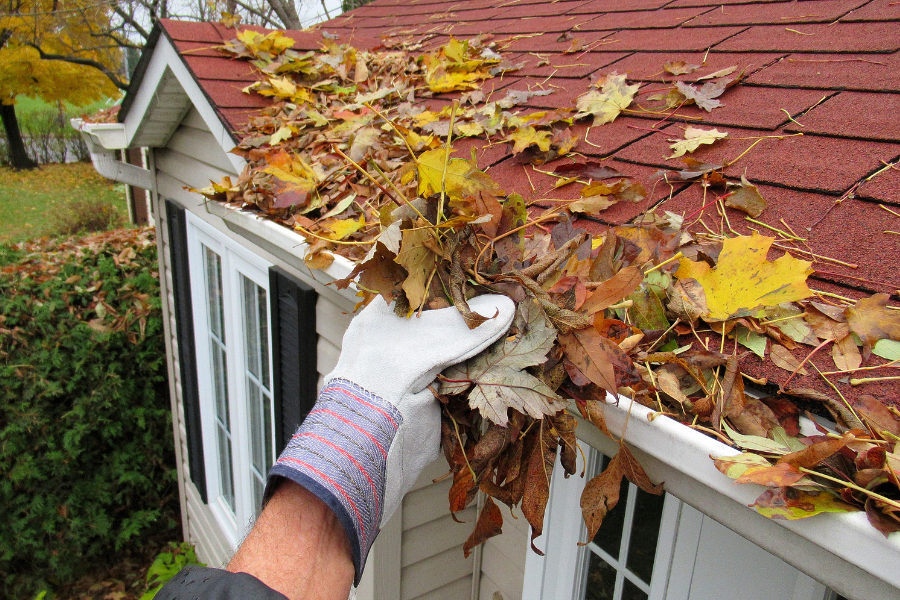
One of the most important steps in preparing your gutters for winter is cleaning out any leaves, twigs, dirt, or other debris that may have accumulated over the fall. Clogged gutters are the leading cause of ice dams, as they prevent water from flowing freely.- How to Clean: Use a sturdy ladder to access your gutters safely. Wear gloves to protect your hands from sharp debris and possible nail rust. Scoop out debris with a small garden trowel or your hands and place it in a bucket or trash bag.
- For stubborn buildup, use a hose to flush out any remaining debris and ensure the downspouts are clear. Be sure to direct the water away from your home to avoid creating puddles near the foundation.
- Check for Leaks or Damage
After cleaning, inspect your gutters and downspouts for any signs of damage. Look for leaks, cracks, rust spots, or loose hangers that could cause the gutters to sag or break under the weight of snow and ice.- Seal Leaks: If you spot any leaks, use a silicone-based sealant or gutter caulk to close them. This will prevent water from leaking through and causing damage to your home’s siding or foundation.
- Repair or Replace: If you notice any severely damaged sections, replace them to avoid bigger problems down the road. A gutter that is detached or broken can cause serious water issues in winter.
- Ensure Proper Pitch
Gutters need to be angled correctly to ensure water flows towards the downspouts and away from your home. Over time, gutters can become misaligned due to weather conditions or damage. If your gutters are sagging or not sloped properly, water can pool in certain areas, leading to ice dams or overflowing.- How to Check: Using a level, check the slope of your gutters. Ideally, there should be about a quarter-inch of slope for every 10 feet of gutter length, sloping toward the downspout. If you notice any low spots or areas where water collects, you may need to adjust or rehang the gutter.
- Check the Downspouts
Make sure your downspouts are clear and functioning correctly. Clogs in downspouts can lead to backups in your gutters, causing water to overflow and freeze during the winter.- Flush the Downspouts: Use a hose to flush water through the downspouts and ensure they’re clear. If water doesn’t flow freely, there may be a blockage. Use a plumber’s snake or a pressure washer to clear stubborn blockages.
- Extend the Downspouts: Check that the downspouts are directing water at least 3-4 feet away from your foundation. If they end too close to the foundation, consider installing downspout extenders to direct water away from your home’s base.
- Install Gutter Guards (Optional)
If you live in an area with heavy snowfall or frequent autumn leaf drop, consider installing gutter guards. These protective covers prevent leaves, twigs, and other debris from clogging your gutters and reduce the frequency of cleaning. While gutter guards don’t completely eliminate maintenance, they can significantly reduce the amount of debris that enters your gutters, especially in the winter months. - Consider Adding Insulation to Prevent Ice Dams
Ice dams form when snow melts on your roof, and the water backs up behind a ridge of ice at the edge of the roofline. One of the best ways to prevent ice dams is by keeping your attic well-insulated. Proper insulation keeps the warmth from escaping through the roof, reducing the chance of ice forming.- How to Insulate: Ensure your attic has adequate insulation, especially around the eaves. Adding insulation to the attic floor will prevent the heat from escaping and keep the roof cold enough to prevent melting snow from turning into ice.
- Trim Overhanging Branches
Overhanging branches can cause debris to accumulate in your gutters, clogging them and increasing the risk of ice dams. Plus, heavy snow or ice buildup on branches can break them off, causing damage to your gutters or roof.- Trim Trees: Before the first snowfall, trim any trees or branches that hang directly over your gutters. This will help keep your gutters clear of leaves and branches during the winter and reduce the risk of damage.
Final Thoughts
Taking the time to properly clean, inspect, and prepare your gutters and downspouts for winter can save you significant headaches and expenses down the road. By keeping your gutters clear, ensuring they’re properly pitched, and addressing any damage, you can prevent water from accumulating and freezing in your gutters—thus avoiding the risk of ice dams, water damage, and costly repairs.
Regular maintenance is the key to prolonging the life of your gutter system and keeping your home safe and dry throughout the winter months. With just a few hours of preparation, you’ll be able to protect your home from winter water damage and enjoy a cozy, worry-free season ahead.


© 2022 Coldwell Banker Canada LLC
