


How to Top Up Your Attic Insulation for Winter
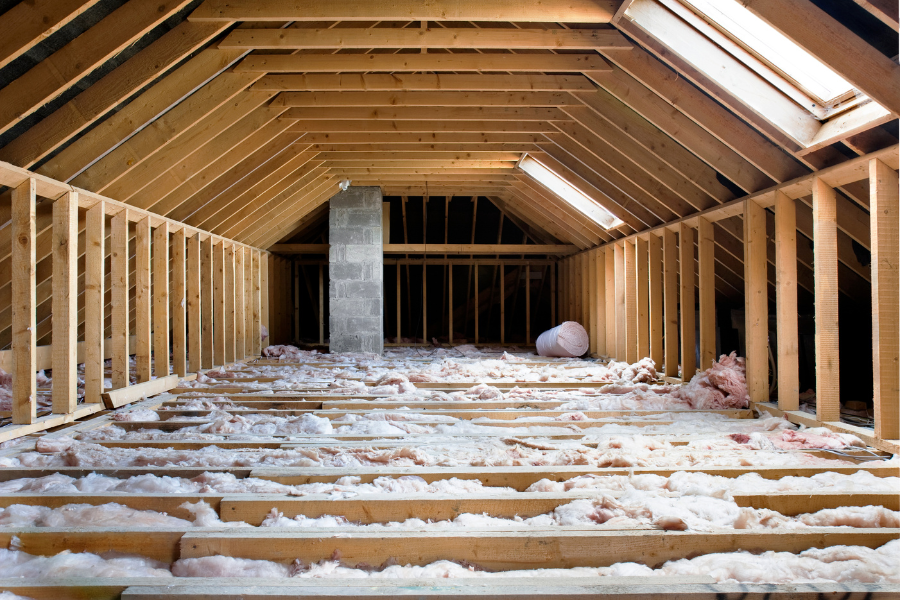
As the temperatures drop and winter settles in, it's time to think about how to keep your home warm and energy-efficient. One often-overlooked area that can make a huge difference in your home’s comfort is your attic. Proper insulation in your attic helps keep warm air inside and prevents heat loss, which can save you money on heating bills. If your attic insulation is old, worn, or insufficient, topping it up can be one of the best investments you make this winter. Here's a simple guide to help you boost your attic insulation and keep your home cozy all season long.
Why Is Attic Insulation Important?
Your attic plays a critical role in regulating your home's temperature. In the winter, heat rises naturally and escapes through the ceiling, especially if there’s not enough insulation to keep it trapped inside. This leads to higher energy bills as your heating system works harder to maintain a comfortable temperature.
Proper attic insulation can:
- Reduce Heat Loss: Well-insulated attics keep warm air in and prevent cold air from entering.
- Improve Energy Efficiency: Insulation helps your furnace or heat pump work more efficiently, reducing the amount of energy required to heat your home.
- Increase Comfort: With better insulation, your home will maintain a more consistent temperature, preventing chilly spots or drafts.
- Save Money: By preventing heat loss, you can reduce your energy bills over the winter months, potentially saving hundreds of dollars.
Signs You Need to Top Up Your Attic Insulation
Before you begin, it’s important to assess whether your attic insulation needs improvement. Here are some signs that it’s time to top it up:
- Uneven Heating: If certain areas of your home feel colder than others, it could be due to inadequate insulation in the attic.
- High Energy Bills: If your heating bills have increased recently, it may be due to heat escaping through your attic.
- Visible Gaps or Settling: If you can see areas where the insulation has settled or gaps in coverage, it’s a sign that it’s time to add more.
- Old or Worn Insulation: Insulation materials, especially older types like fiberglass batt insulation, can lose their effectiveness over time and need to be replenished.
How to Top Up Your Attic Insulation
- Check Your Current Insulation Level
Before adding new insulation, it's essential to check how much is currently in place. You can do this by measuring the depth of the insulation using a ruler or tape measure. Most attics should have a minimum of 10-14 inches of insulation, depending on the type and climate. If your attic has less than this, it’s time to add more. - Choose the Right Insulation Material
There are several types of attic insulation to choose from. The most common types include:- Blown-In Insulation: This is ideal for topping up existing insulation or filling in gaps and hard-to-reach areas. It’s typically made of fiberglass or cellulose and is blown into the attic using special equipment. It’s easy to apply and can be done by professionals or with a DIY kit.
- Batt or Roll Insulation: This is pre-formed insulation that can be laid between joists in your attic. It’s typically made from fiberglass or mineral wool and is great for larger spaces with few obstructions.
- Spray Foam Insulation: While more expensive, spray foam insulation is an effective option for air-sealing and adding extra thermal resistance. It can be particularly useful if you’re addressing air leaks along the attic's perimeter.
- Seal Gaps and Air Leaks
Before adding more insulation, it’s important to seal any air leaks in your attic. Gaps around vents, pipes, and electrical wiring can let heat escape and reduce the effectiveness of your insulation. Use caulk or spray foam to seal these leaks before proceeding with adding insulation. - Add Insulation
If you’re using blown-in insulation, rent a blower from your local hardware store (or hire a professional) to spread the material evenly across the attic floor. Be sure to wear protective gear such as a mask, gloves, and goggles to protect yourself from the dust and fibers.For batt or roll insulation, simply roll the material out across the attic floor between the joists, ensuring it fits snugly without gaps. If you're adding additional layers, place the new batt insulation perpendicular to the existing layer to cover any gaps in the original installation.
- Ensure Proper Ventilation
While insulation helps retain heat, it’s also important to make sure your attic is properly ventilated. Without sufficient airflow, moisture can build up, leading to mold growth or even roof damage. Check your attic vents and make sure they’re not blocked by insulation. Installing soffit vents or roof vents can help improve circulation and keep your attic dry. - Check the Insulation’s R-Value
The effectiveness of insulation is measured by its R-value, which indicates the material's resistance to heat flow. For colder climates, it’s recommended to have an R-value between 38 and 60 for your attic insulation. Make sure the material you're adding meets the necessary R-value for your home’s climate and heating needs.
Final Tips for Maximizing Your Attic Insulation
- Install a Radiant Barrier: In addition to insulation, installing a radiant barrier can help reflect heat back into your home. This is especially useful if you live in a region with extreme temperatures.
- Check Insulation Regularly: Insulation can degrade over time, so it’s a good idea to check your attic insulation every few years to make sure it’s still in good condition.
- Use Energy-Efficient Heating: Insulation alone isn’t a cure-all. Make sure your furnace or heat pump is running efficiently by having it serviced regularly.
Conclusion
Topping up your attic insulation is one of the most cost-effective ways to improve your home’s comfort and energy efficiency during the winter months. By preventing heat loss and keeping your home warmer, you’ll enjoy a more comfortable living space while saving on heating costs. Plus, with the added benefit of reducing your carbon footprint, you’re also contributing to a more sustainable future.
Take the time to check your attic insulation and make any necessary improvements before the cold weather hits. It’s a small effort that can pay off big in comfort and savings all winter long!


© 2022 Coldwell Banker Canada LLC
