


Breathe Easy This Winter: How to Use a Humidifier for Optimal Comfort and Health
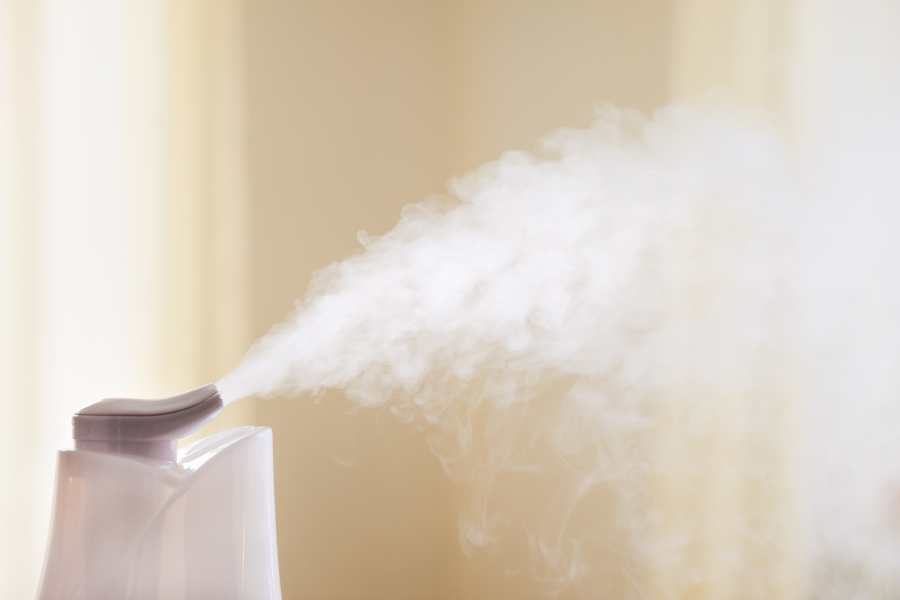
As winter sets in, many people experience dry skin, irritated sinuses, and static electricity—common side effects of the dry indoor air caused by heating systems. If you've ever noticed how the air feels dry and stuffy during the colder months, you’re not alone. Fortunately, using a humidifier can be an effective solution. These devices add moisture back into the air, improving comfort, protecting your health, and even preserving the condition of your home.
However, to get the most out of your humidifier—and to ensure it’s safe and effective—it’s important to use it correctly. Here's a guide to understanding the benefits of a winter humidifier and how to use it properly.
Here’s how to keep your deck snow-free and protected throughout the colder months.
Why Use a Humidifier in Winter?
In the winter, cold air holds less moisture, and when that air is heated indoors, it becomes even drier. This dry air can lead to a number of discomforts and health issues:
- Dry Skin: When the air is dry, your skin can lose moisture more quickly, leading to dryness, irritation, and even cracking.
- Chapped Lips: Dry air can lead to painfully chapped lips, especially if you're exposed to it for long periods.
- Dry Sinuses and Throat: The mucous membranes in your nose and throat can become dry and irritated, leading to increased snoring, coughing, or even nosebleeds.
- Static Electricity: Dry air is a major contributor to the buildup of static electricity, resulting in the annoying shocks we often get when touching metal objects or other people.
- Damage to Wooden Furniture: Dry air can cause wooden furniture, floors, and musical instruments to crack or warp over time.
A humidifier works by adding moisture back into the air, which can help alleviate many of these winter discomforts. But just like any appliance, it’s important to use your humidifier correctly to get the maximum benefit and avoid any problems.
Types of Humidifiers: Which One is Right for You?
There are several types of humidifiers available, each with its own set of advantages. Here’s a breakdown of the most common types:
- Evaporative Humidifiers
These are the most common type of humidifier. They work by using a fan to blow air through a moistened wick filter. As the air passes through, it picks up moisture and releases it into the room. They’re self-regulating, meaning they won’t over-humidify the air. - Ultrasonic Humidifiers
These use high-frequency sound vibrations to create a fine mist of water that’s released into the air. Ultrasonic models are typically quieter than evaporative humidifiers, making them a good choice for bedrooms or offices. - Steam Vaporizers
These humidifiers boil water to create steam, which is then cooled before being released into the air. Steam vaporizers are good for adding warmth and moisture to a room, but they tend to be hotter and can use more electricity. - Central Humidifiers
These are built directly into your HVAC system and humidify the air throughout the whole house. If you’re looking for a whole-house solution, a central humidifier is a good choice, but they’re usually more expensive and require professional installation. - Hybrid Humidifiers
These combine the best features of both ultrasonic and evaporative humidifiers. They’re often quieter than evaporative models and use a filterless design, which can make them easier to maintain.
Proper Use of a Humidifier in Winter
To get the most benefits from your humidifier and ensure it works properly throughout the season, follow these tips:
- Set the Right Humidity Level
While it's tempting to crank the humidifier to maximum output, you don’t want to over-humidify your space. Too much moisture in the air can cause problems, like mold growth, dust mites, and condensation on walls or windows.- Ideal Humidity: Aim to keep your indoor humidity level between 30% and 50%. You can measure this with a hygrometer (a small, inexpensive tool that measures humidity). Maintaining this range will help keep your skin moisturized without creating excess moisture in the air.
- Place the Humidifier Correctly
To ensure that the humidity is evenly distributed, place your humidifier in a central location, away from walls and furniture. Keep it at least a few feet away from anything that could be damaged by moisture, such as electronics, wood furniture, or carpets.- Don’t Place It Too Close to Your Bed: While it’s tempting to put a humidifier next to your bed, placing it too close can cause excess moisture on nearby surfaces, making your bed or furniture damp. A few feet away is usually ideal.
- Keep the Humidifier Clean
Humidifiers can become a breeding ground for bacteria, mold, and mildew if not cleaned properly. These microorganisms can be released into the air and cause health issues, especially if you suffer from allergies or asthma.- How to Clean: Follow the manufacturer’s instructions for cleaning. In general, you should empty the water tank daily, rinse it out with clean water, and wipe down the surface to prevent mold or mildew buildup. Use vinegar or mild soap and water for a deeper clean every 1-2 weeks. Some models also have a special cleaning solution to help disinfect the unit.
- Use Distilled or Demineralized Water
Using tap water in a humidifier can lead to the buildup of mineral deposits inside the machine. These minerals are also released into the air as white dust, which can settle on furniture and make your indoor environment feel grimy.- What to Use: To avoid this, use distilled or demineralized water, which contains fewer minerals. Some humidifiers even come with demineralization filters to help reduce mineral buildup if you prefer using regular tap water.
- Monitor for Signs of Excess Moisture
If you start to notice condensation on your windows or walls, or if you begin to feel musty or see mold growth, your humidifier might be releasing too much moisture into the air.- What to Do: If this happens, reduce the output of the humidifier or turn it off for a few hours to let the air dry out. You can also adjust the humidity settings to maintain a more balanced level.
- Consider a Humidifier with a Built-in Hygrometer
Many modern humidifiers come with built-in hygrometers to automatically adjust the humidity level in the room. This is a convenient feature that ensures the right balance of moisture without the need for manual adjustments.
Additional Tips for Winter Comfort
- Use a Humidifier and Heater Together: If you're using a space heater, a humidifier can help balance out the dry air it creates. Just be sure to keep the humidifier away from the direct airflow of the heater to prevent it from blowing warm, moist air away from the room.
- Increase Moisture in Your Skin Care Routine: Dry air can lead to dry skin, so be sure to moisturize regularly during the winter months. Consider using a thicker, oil-based moisturizer for your face and body to lock in hydration.
Conclusion
Using a humidifier in winter can make a big difference in your home’s comfort, health, and air quality. By following these simple guidelines—keeping the humidity at the right level, cleaning your humidifier regularly, and using the correct type of water—you can ensure that your humidifier is working optimally to combat the effects of dry winter air.
With the right care and attention, your humidifier will help you breathe easier, sleep better, and keep your skin moisturized all winter long!


© 2022 Coldwell Banker Canada LLC
