


How to Properly Install Your Furnace Filter
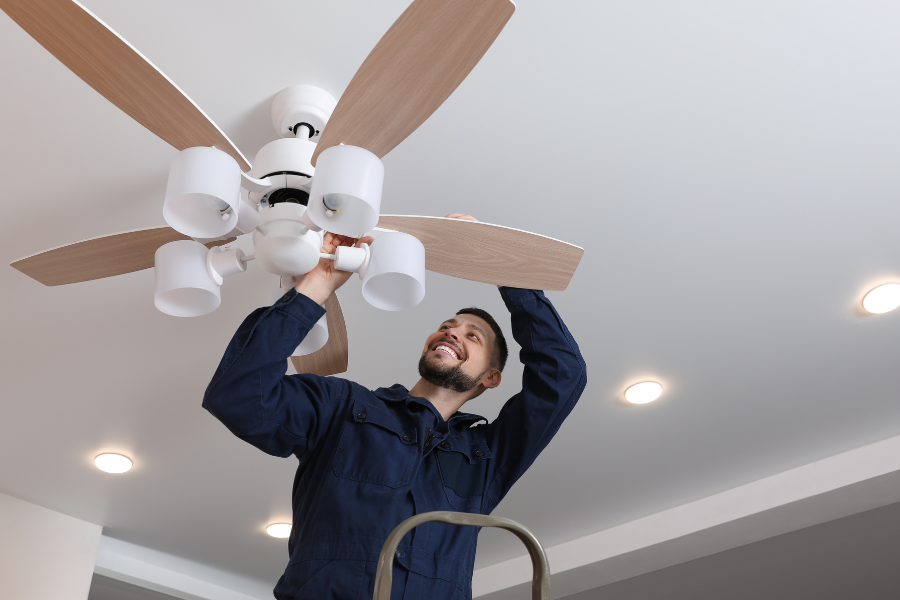
Stay Warm and Cozy: How to Reverse Your Ceiling Fan in Winter for Better Comfort
As winter rolls in and the temperatures drop, most of us rely on our heating systems to stay warm. But did you know that your ceiling fan can also play a role in maintaining a cozy home environment during the colder months? Reversing the direction of your ceiling fan can help circulate warm air more effectively and improve comfort throughout your space. Here’s a simple guide to help you reverse your ceiling fan for the winter season.
Why Reversing Your Ceiling Fan Matters
Ceiling fans are often associated with cooling down a room, but they can actually be quite helpful in the winter as well. During colder months, warm air rises to the ceiling, creating a temperature imbalance where the air near the floor feels cooler than the air at the ceiling. By reversing the direction of your ceiling fan, you can help push that warm air back down into the living space, making your home feel warmer and more comfortable without needing to turn up the heat.
In addition, running your fan in reverse can help maintain consistent temperatures throughout the room, reducing the need to constantly adjust the thermostat. It’s an easy, energy-efficient way to optimize your heating and make your home feel warmer with less effort.
How to Reverse Your Ceiling Fan for Winter
- Turn Off the Fan: Before making any adjustments, make sure your fan is turned off to avoid any accidental movement.
- Locate the Reversing Switch: Most modern ceiling fans have a switch that allows you to reverse the direction of the blades. The switch is usually located on the fan's motor housing (the part that connects the fan blades to the ceiling). It may be a small toggle switch or a button.
- If you can’t find the switch, refer to your fan’s manual for specific instructions. Some fans may also be controlled by a remote, and the reversing option can be found in the fan’s settings.
- Change the Direction: Flip the switch to reverse the direction of the fan blades. In the winter, you want the blades to spin clockwise at a low speed. This will pull cool air up and push the warm air near the ceiling down toward the floor.
- Turn the Fan Back On: After adjusting the direction, turn the fan back on at a low speed. You should feel the warm air being gently circulated throughout the room.
Why Low Speed Works Best
In the winter months, it’s important to set your ceiling fan to a low speed after reversing the direction. Running the fan too fast could create a draft or stir up cold air, which could make you feel chillier instead of warmer. The goal is to circulate the warm air without creating noticeable movement.
Additional Tips for Maximizing Winter Comfort
- Use Fans in Rooms with High Ceilings: If you have high ceilings, warm air can accumulate near the ceiling and leave the lower part of the room cold. Reversing the fan direction can help mitigate this, ensuring that warmth is distributed more evenly.
- Don’t Forget to Reverse It Back in Spring: Once winter is over and the weather warms up, remember to switch your fan back to its normal counterclockwise direction to create a cooling breeze. It’s a good idea to reverse the fan in early spring, so you're ready when the temperatures rise.
- Combine with Other Heating Tips: To further improve the efficiency of your heating system, keep doors open between rooms to allow warm air to circulate. Also, check for drafts around windows and doors and seal them to prevent heat from escaping.
Final Thoughts
Reversing your ceiling fan in winter is a simple and effective way to improve comfort and energy efficiency in your home. By redistributing warm air and ensuring even heating, you can stay cozy without cranking up the thermostat. It’s a small change with a big impact, making your home feel warmer and more inviting all season long.
So, go ahead—reverse your ceiling fan and enjoy a more comfortable winter!


© 2022 Coldwell Banker Canada LLC
