


Prepare Your Fireplace and Chimney for the Cold Season
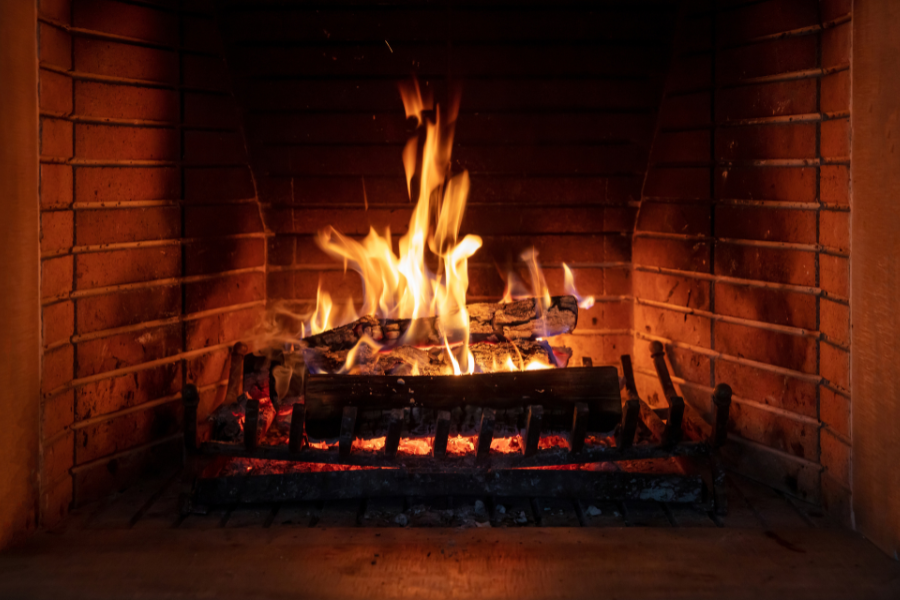
As the weather cools and winter settles in, there's nothing quite like the warmth and ambiance of a crackling fire in the hearth. But before you light that first fire, it’s important to make sure your fireplace and chimney are in top condition. A well-maintained fireplace not only keeps you cozy but also ensures the safety of your home by preventing chimney fires, carbon monoxide poisoning, and smoke damage.
Proper winter preparation for your fireplace and chimney is essential, so here’s a simple guide to get your home ready for safe and efficient fires all season long.
Why Fireplace and Chimney Maintenance Matters
Fireplaces and chimneys experience a lot of wear and tear over the course of the year. Soot, creosote, leaves, debris, and even animals can build up in the chimney, leading to fire hazards. A dirty or damaged chimney can also result in poor ventilation, which can cause smoke to enter your home, create dangerous carbon monoxide buildup, or even reduce the efficiency of your fire.
Properly maintaining your fireplace and chimney before the cold weather sets in can:
- Prevent Chimney Fires: Creosote, a byproduct of burning wood, can build up in the chimney, and if left unchecked, can ignite and cause a dangerous fire.
- Improve Efficiency: A clean chimney allows smoke to vent properly, which helps your fire burn more efficiently and heat your home more effectively.
- Protect Your Home: Preventing blockages, leaks, or other issues ensures that smoke, gases, and heat are properly directed outside, protecting your walls and roof from damage.
Step-by-Step Guide to Winterizing Your Fireplace and Chimney
- Inspect the Chimney for Damage
Before using your fireplace, it’s essential to inspect both the inside and outside of your chimney for signs of damage. Look for cracks, loose bricks, or crumbling mortar that could compromise its integrity. If you notice any issues, it's best to have a professional chimney sweep or mason repair the damage before lighting a fire. - Schedule a Professional Chimney Sweep
Even if you don't see obvious damage, it’s important to have your chimney professionally cleaned and inspected at least once a year. Creosote buildup is one of the leading causes of chimney fires, and a certified chimney sweep will ensure your chimney is free of this flammable substance.- What to Expect: A chimney sweep will remove creosote and debris, clean the flue (the inner lining of the chimney), and check for any potential blockages or issues. They’ll also inspect the chimney cap and damper to make sure everything is functioning properly.
- Check the Chimney Cap
The chimney cap plays a critical role in preventing debris (like leaves or animal nests) from entering your chimney. It also keeps animals, such as birds or squirrels, from nesting inside. A damaged or missing cap can lead to blockages or allow cold air, rain, or snow to enter the chimney.- What to Do: Ensure the chimney cap is in place, secure, and free of rust or damage. If you don’t have a chimney cap or it’s in bad condition, consider installing or replacing it. A professional chimney sweep can also assist with this if needed.
- Clean the Fireplace
Before you start using your fireplace, give it a thorough cleaning. Remove any leftover ash and debris from the firebox (the area where the fire burns). A buildup of ash can block airflow, making it harder for your fire to burn efficiently.- What to Do: Use a metal shovel to scoop out the ash and a small broom and dustpan to sweep up any remaining dust. Dispose of the ash properly—never dump it in a trash can until it’s completely cooled. Some people use ash in their garden, but make sure it’s fully cold to avoid accidental fires.
- Check for Cracks: While cleaning, look for any cracks or gaps in the firebox. If you find any, they should be repaired before using the fireplace.
- Inspect the Damper
The damper is a critical part of your fireplace system—it controls the airflow and keeps warm air from escaping when the fireplace isn’t in use. A damper that doesn’t open or close properly can cause smoke to back up into the room or result in heat loss.- What to Do: Open and close the damper to make sure it operates smoothly. If it’s stuck, rusty, or difficult to move, it may need lubrication or replacement. A well-functioning damper helps your fireplace burn more efficiently and safely.
- Check the Fireplace’s Surrounding Area
Ensure that the area around your fireplace is clear of flammable materials. This includes carpets, rugs, curtains, furniture, and anything else that could catch fire. It's especially important to make sure your hearth area is spacious and clear for safety when burning a fire.- What to Do: Move any combustible materials at least three feet away from the fireplace. Consider using a fireplace screen to contain sparks and protect your home from flying embers.
- Stock Up on Firewood
If you plan on burning wood in your fireplace, make sure you have a sufficient supply of seasoned firewood. Never use green or wet wood, as it burns inefficiently, creates excess smoke, and can contribute to dangerous creosote buildup.- What to Do: Seasoned wood should be dried for at least 6-12 months, and it should make a hollow sound when knocked together. Store your firewood in a dry, ventilated area to keep it free from moisture.
- Install a Carbon Monoxide Detector
Burning wood in your fireplace produces carbon monoxide, a colorless, odorless gas that can be deadly in high concentrations. To keep your family safe, install a carbon monoxide detector in the room with the fireplace and in the hallways near sleeping areas.- What to Do: Test your carbon monoxide detectors to ensure they’re working properly. Replace the batteries at the beginning of each season to be safe.
Final Tips for Fireplace Safety
- Never Leave a Fire Unattended: Always supervise your fire when it's burning, and never leave children or pets unattended near an open flame.
- Use a Fireplace Screen: A screen helps keep sparks contained and prevents hot embers from popping out of the fireplace and igniting nearby objects.
- Close the Damper After Use: When your fire is finished, close the damper to prevent warm air from escaping up the chimney and cold air from entering the home.
- Don’t Overload the Fireplace: Overloading the fireplace with too much wood can cause excess heat, which could damage the chimney or increase the risk of a chimney fire.
Conclusion
Properly preparing your fireplace and chimney for winter not only ensures a safer environment but also improves the efficiency of your heating system and enhances the comfort of your home. By taking these simple steps—cleaning, inspecting, and maintaining your chimney and fireplace—you’ll be able to enjoy the warmth and glow of a fire with peace of mind all season long.
So before you light that first fire of the season, take a few hours to inspect and maintain your fireplace and chimney. A little preventive care goes a long way in keeping your home safe, warm, and cozy this winter.


© 2022 Coldwell Banker Canada LLC
